Dental Awareness Day: Children’s Tooth Decay—The Silent Epidemic Affecting Millions
07.17.26 - Education
When parents think about their child’s health, they often worry about illnesses like asthma, allergies, or the common cold. However, one of the most common childhood diseases is often overlooked—tooth decay.
Dental decay (cavities) is the most common chronic disease in children. It is five times more common than asthma and even more common than the common cold. The good news is that cavities are largely preventable with early dental care, healthy habits, and regular dental visits.
Dental Awareness Day is the perfect reminder to take steps toward protecting your child’s smile. From scheduling your child’s first dental appointment to teaching good brushing and flossing habits, small actions today can help prevent pain, infection, and more extensive dental treatment in the future.
When should I bring my child to their first dental visit?
The American Academy of Pediatric Dentistry recommends scheduling your child’s first dental visit within six months of the eruption of their first tooth or by their first birthday—whichever comes first.
Early dental visits help establish a “dental home,” allowing your child to become comfortable with the dental office while giving the dentist an opportunity to monitor growth, development, and oral health from an early age.
Who will be taking care of my child at their dental appointment?
The Dentist: A dentist is a licensed medical doctor who specializes in oral health, diagnosing and treating conditions of the teeth, gums, and mouth. Some dentists undergo further training beyond general dental school to become specialized in a specific branch of oral health care.
At Just For Kids, all of our dentists are Pediatric Dentists (Pedodontists). After dental school, pediatric dentists complete an additional 2–3 years of specialized training focused on the oral health care needs of infants, children, adolescents, and individuals with special health care needs.
Other Dental Specialists you may be referred to include:
Orthodontist: Specialist in malocclusion (when the teeth don’t fit together correctly). Commonly known as the braces and clear aligner specialist.
Endodontist: Specializes in treating the inside of the tooth, including the dental pulp, roots, and nerves. Commonly known as the root canal specialist.
Periodontist: Specializes in the prevention and treatment of gum disease and conditions affecting the bone and tissues that support the teeth.
Oral Surgeon: Specialist in many complex surgical conditions of the oral cavity, such as jaw surgery, wisdom tooth extractions, and biopsies.
Members of Your Child’s Dental Team:
Dental Hygienist: A licensed oral health care professional who specializes in preventive dental care. Dental hygienists typically perform professional cleanings, take dental X-rays, provide oral hygiene education, apply fluoride treatments and dental sealants, and help patients develop healthy habits to prevent cavities and gum disease.
Expanded Function Dental Assistant: A certified dental professional who has received additional training to perform expanded clinical duties, such as polishing teeth and placing certain dental materials, while assisting the dentist.
Dental Assistant: Works alongside the dentist to prepare patients for treatment, assist during procedures, and help provide a comfortable and efficient dental experience.
How often should my child see a dentist?
Every child has unique oral health care needs.
After examining your child and evaluating their cavity (caries) risk, the dentist will recommend the best schedule for routine visits. For most children, routine dental checkups are recommended every six months. Children at higher risk for cavities or other dental concerns may benefit from more frequent visits.
What are cavities?
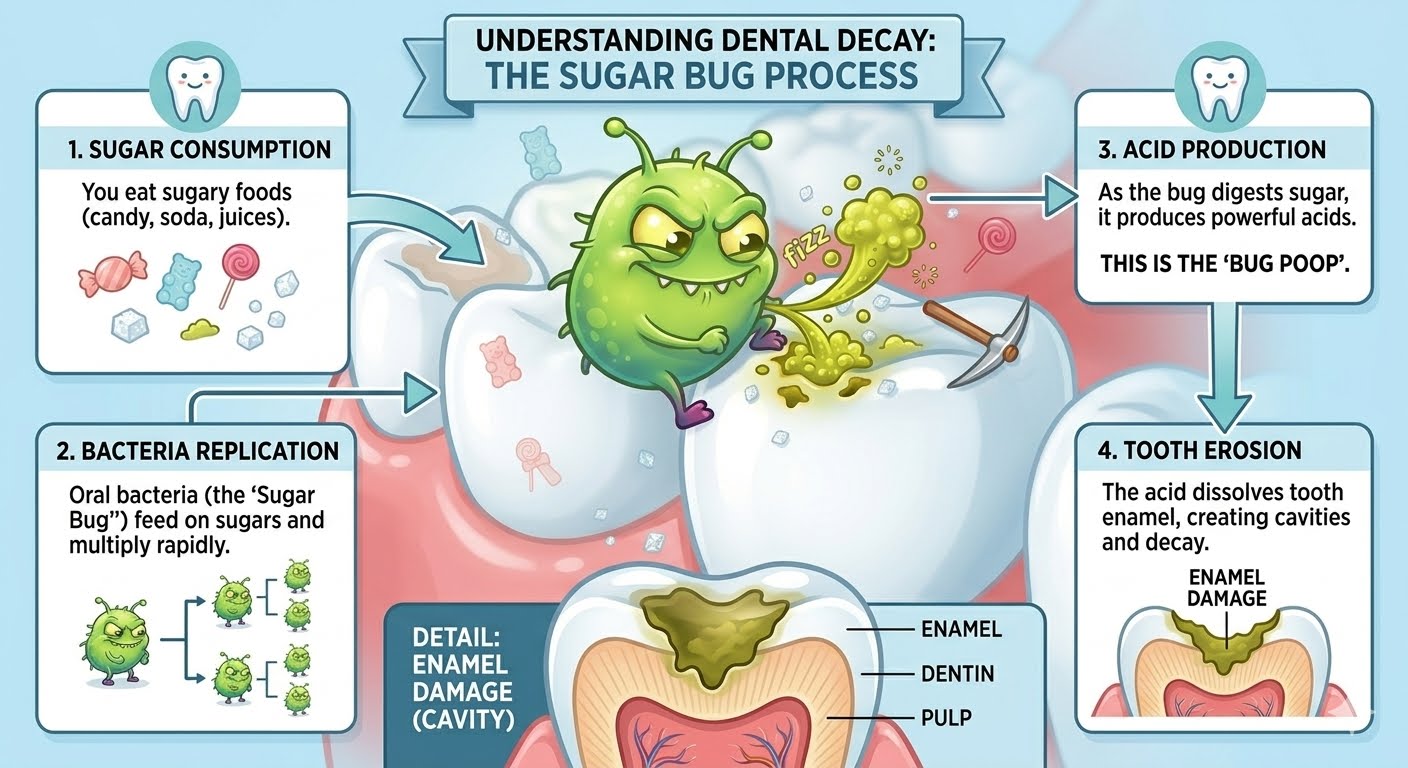
Cavities (also called dental caries or tooth decay) are damage to teeth that has created a hole within the tooth, most often from acid produced by oral bacteria feeding on sugar in the mouth.
A child-friendly way to explain cavities is: “Sugar bugs love to eat sugar. After they eat, they poop acid that can hurt your teeth and cause cavities.”
How can cavities be prevented?
You can help keep your child’s smile healthy by:
- Brushing twice a day with fluoride toothpaste.
- Flossing once teeth begin touching.
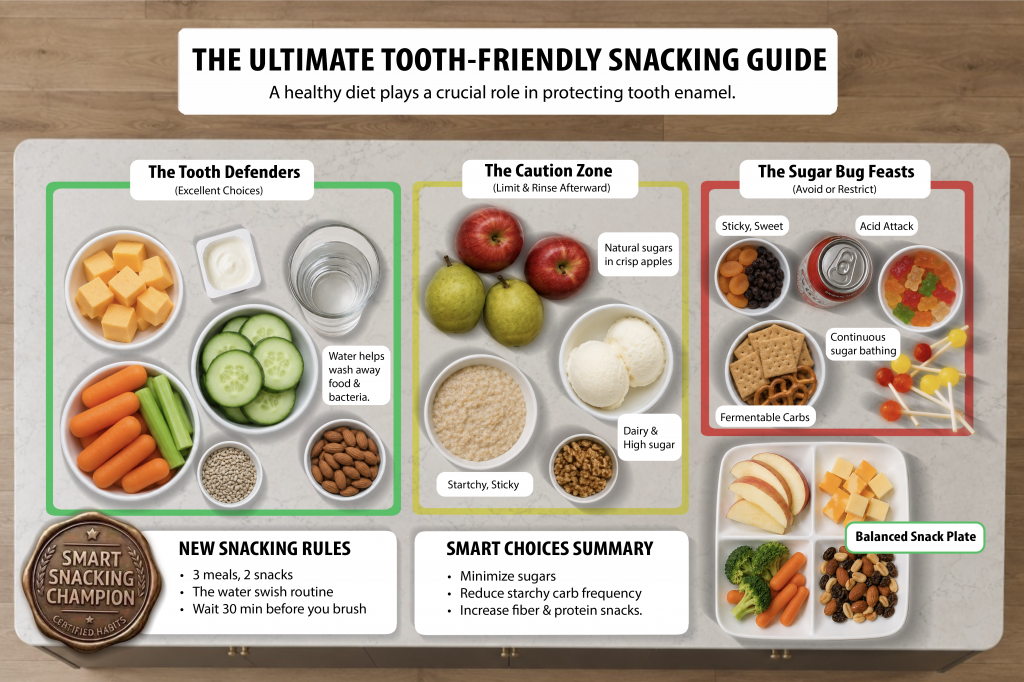
- Limiting sugary snacks and drinks.
- Drinking plenty of water
- Eating a balanced, tooth-friendly diet.
- Visiting the dentist regularly for checkups and preventive care.